Santa Rosa Island · 1950

A fighter pilot and his daughter, a dozen island vaqueros, and 7,000 surfing cows

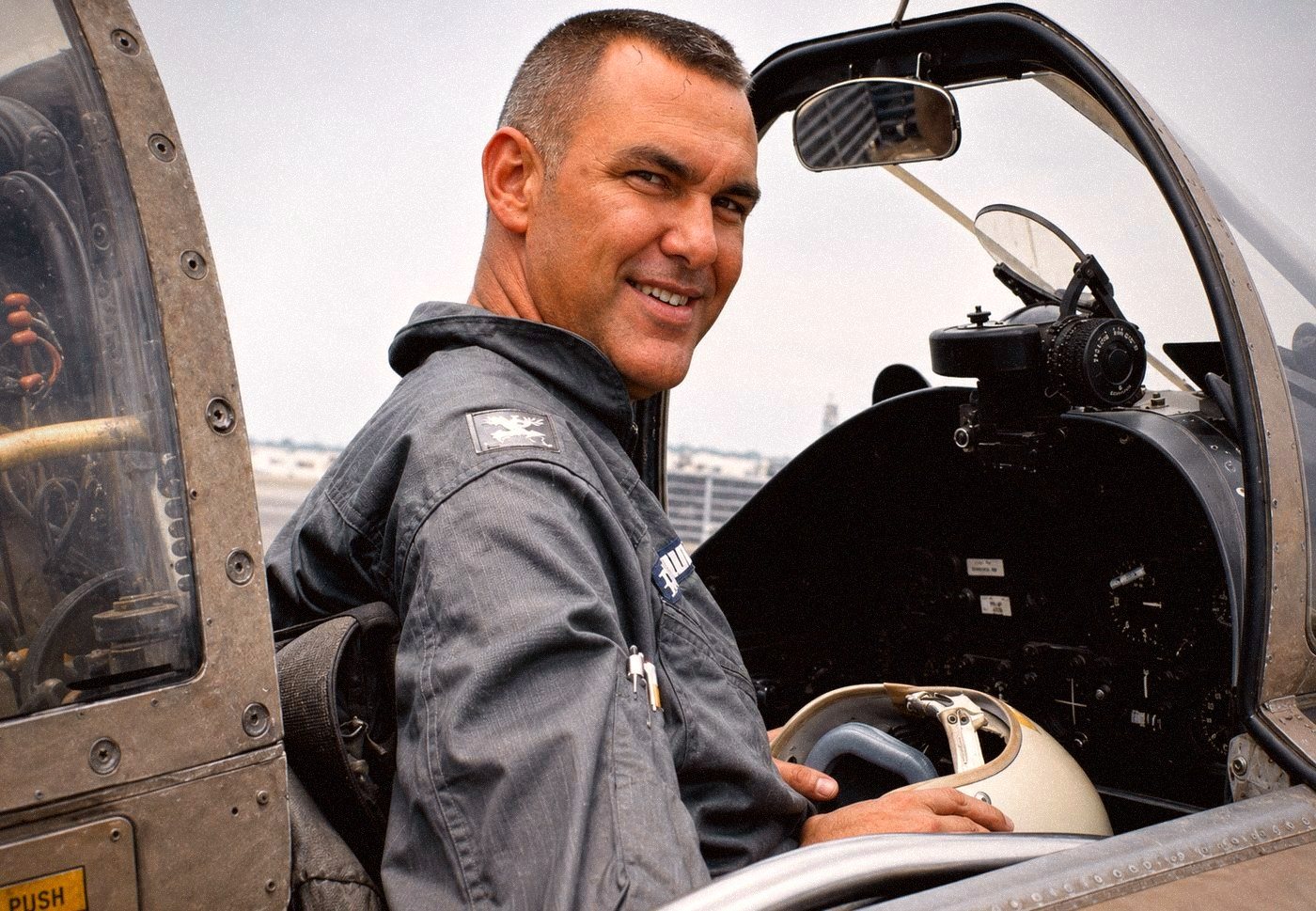
Colonel Jack Blacker in the cockpit of his F-86 Sabre fighter jet
Colonel Blacker in the cockpit of his F-86 Sabre fighter jet

The Central Coast story of the family behind Plenty begins in the early 1950s with Colonel Jack A. Blacker, known as "Blackjack" — a career Air Force fighter pilot, two-time recipient of the Silver Star, and commander of Vandenberg Air Force Base's 300-person Santa Rosa Island Aircraft Control and Warning Squadron.

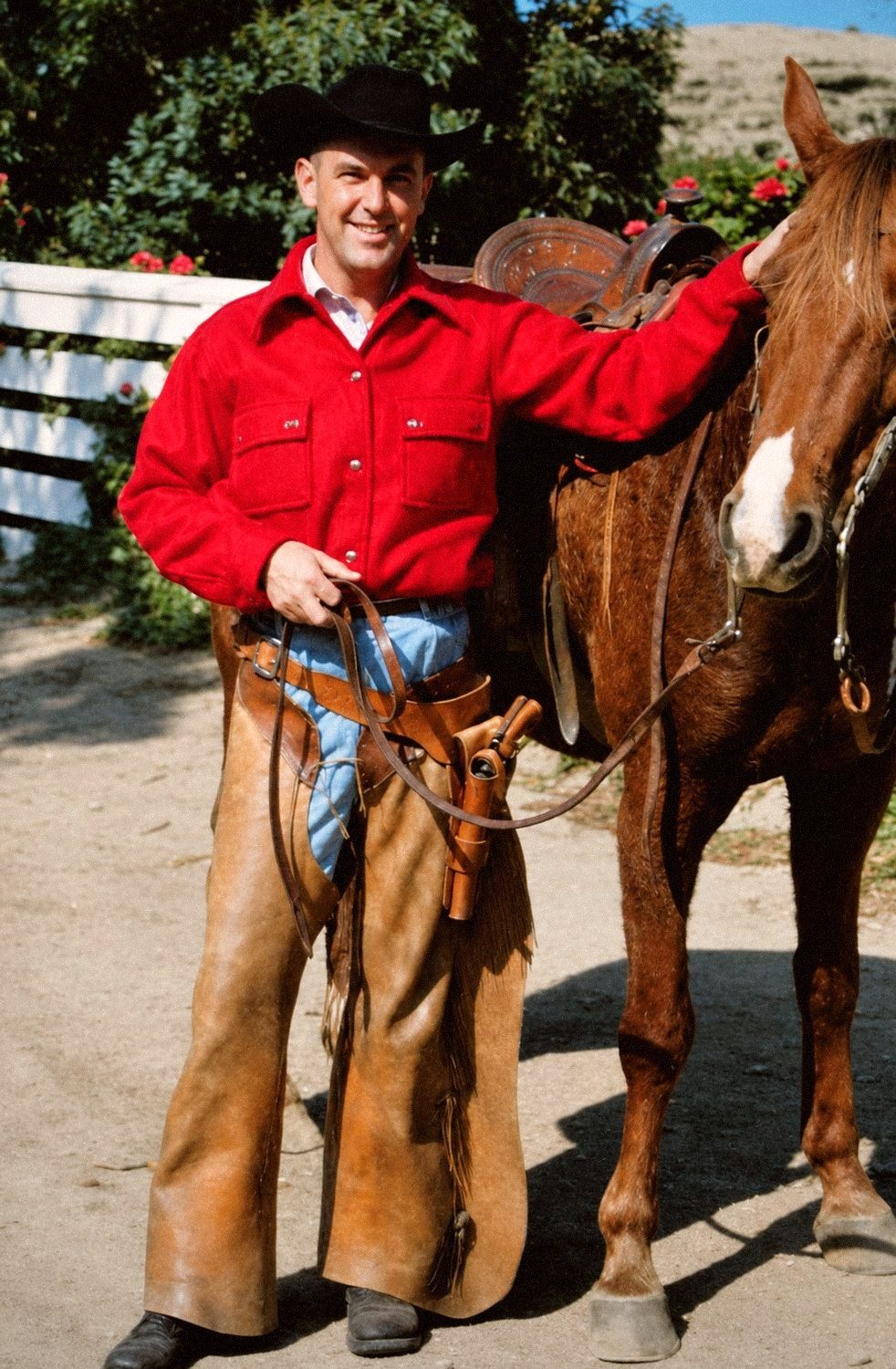
Jack Blacker in ranch gear beside his saddled horse
Out of the cockpit, into the saddle

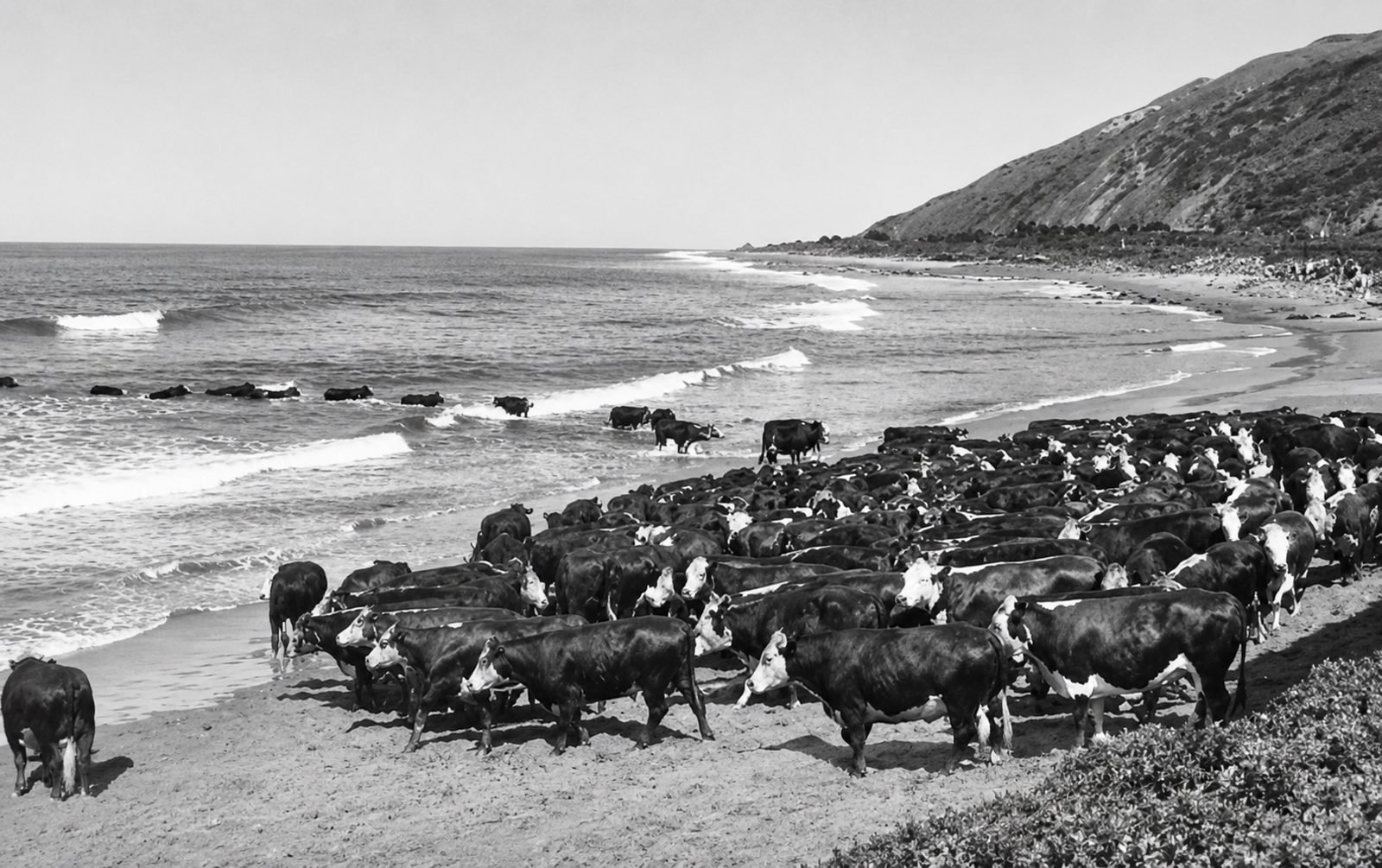
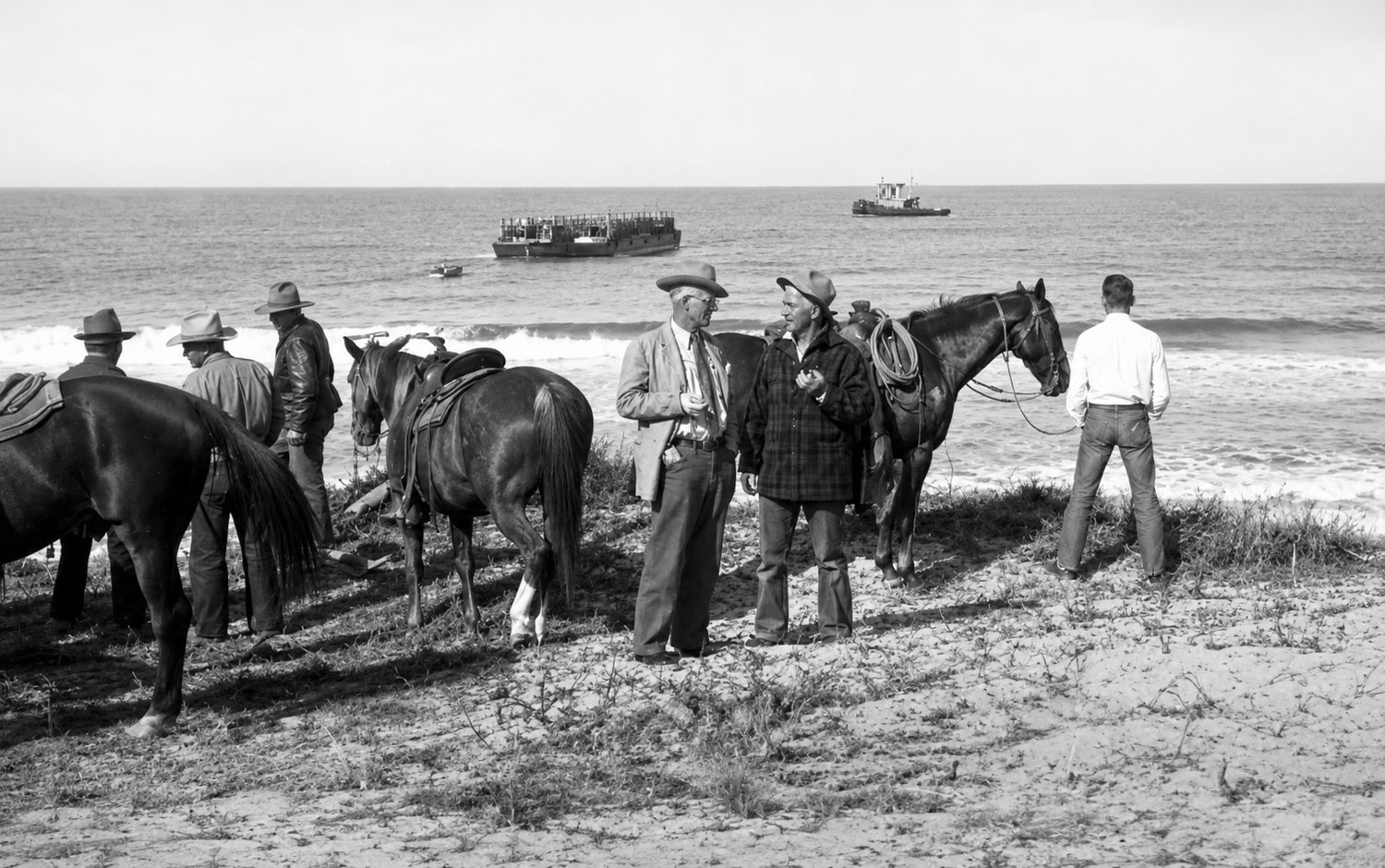
Following combat tours in WWII and Korea, Jack served on Santa Rosa, where he was charged with early detection of westbound threats. The assignment led to a close friendship with the Vail and Vickers families, who owned the island and operated its 7,000-head cattle ranch, where cattle were barged from the mainland before leaping into the ocean and “surfing” ashore.

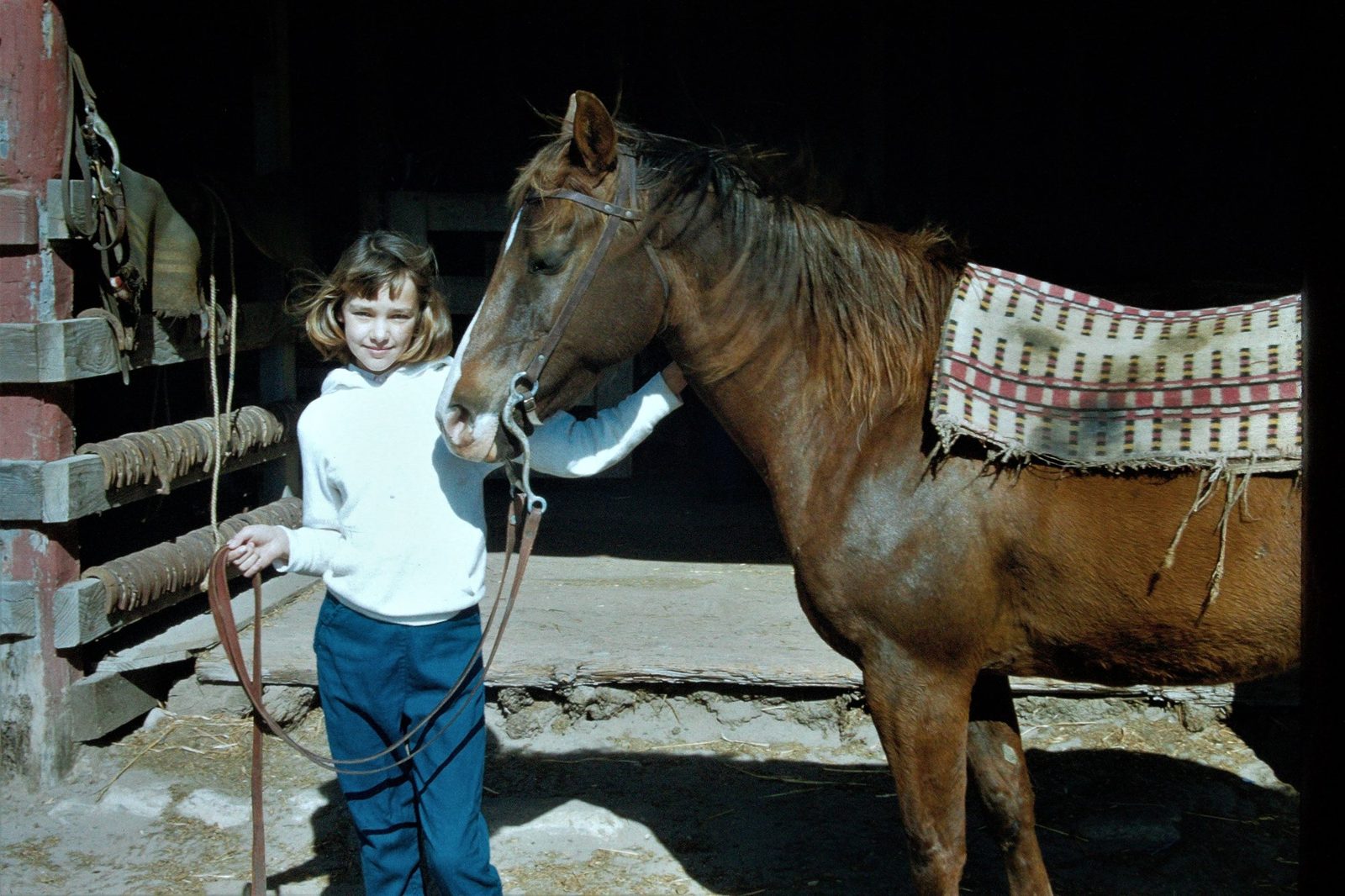
Lois as a girl with her horse on Santa Rosa Island
Young Lois and her island horse in the 1950s

Jack was also raising his young daughter Lois as a single father and widower. Because his duties required extended time on the island, he received special permission for Lois to accompany him — an unusual exception to the ranch’s general rule prohibiting women and children.

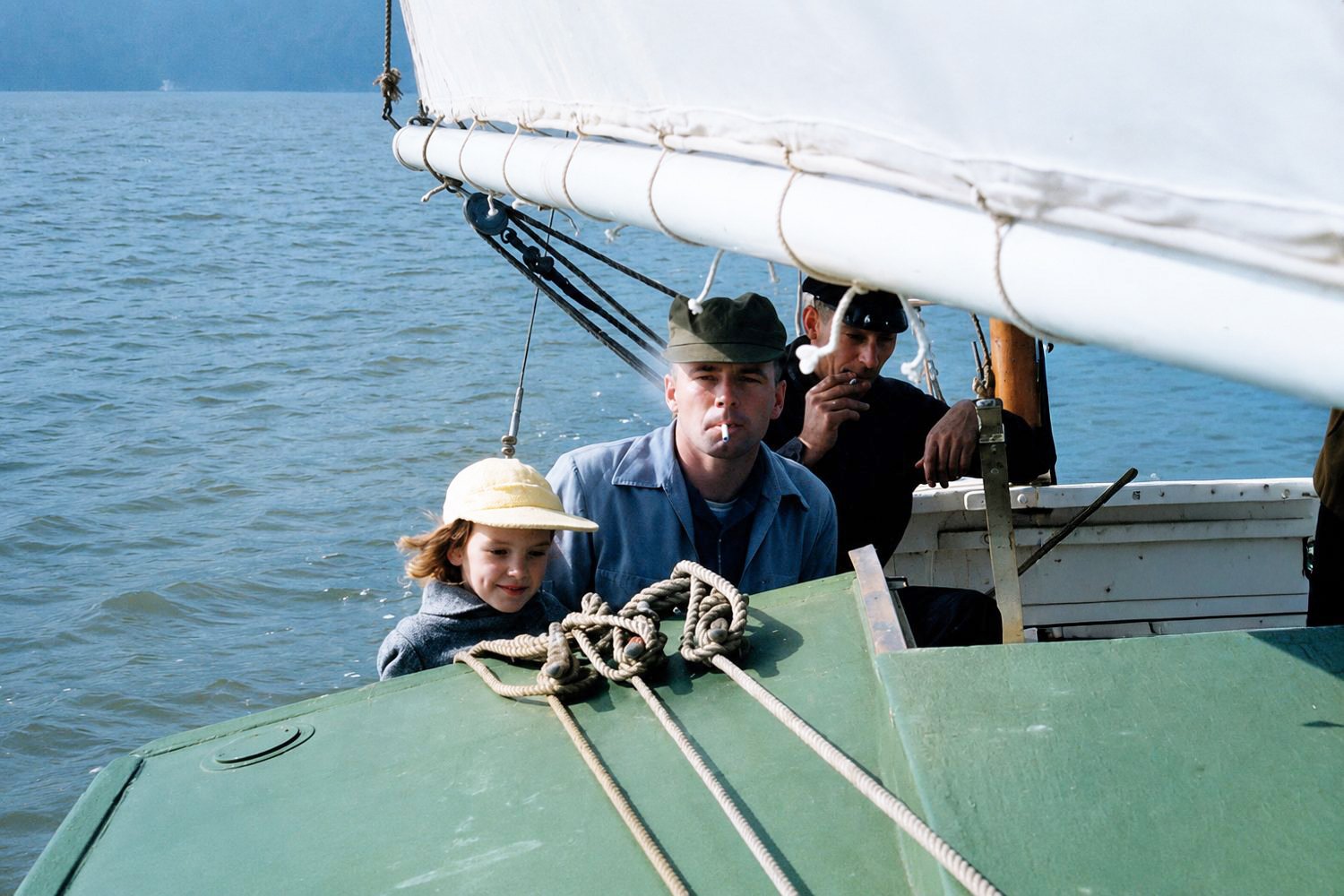
Lois as a girl sailing across the channel to the island
Lois crossing the channel to the mainland by sail

That exception gave Lois access to a world few children ever saw. She spent as much time as she could there throughout her childhood and into high school, taken in by the island’s vaqueros, sailors, and pilots — learning to ride, rope, sail, and help with ranching duties.

Santa Rosa became more than the site of her father’s command. It shaped her childhood and began the family’s enduring connection to this rugged stretch of California’s Central Coast.

The famous Vail & Vickers "surfing cows" of Santa Rosa Island swimming ashore through the breakers
Santa Rosa Island · Vail & Vickers

From 1901 to 1998 cattle were barged across the Santa Barbara Channel and turned loose to "surf" the last stretch ashore through the breakers.

Noah and Codi in the golden hills above the ranch
Two Lives Converge in Los Alamos

Far West meets Midwest

Noah was born in North Los Angeles but spent as much time as he could on the Central Coast. His mother, Lois, always kept a garden, grew most of the produce for the family herself, and passed her hands-on approach to seasonally focused food to her kids. In 2013, Noah returned to Los Alamos permanently to raise his young children and built his life around regenerative farming, winegrowing, and winemaking.

Codi grew up on her family’s farm and horse ranch in Iowa, where her grandmother Clarissa likewise showed her from an early age how to grow food used in the family kitchen. She came west in 2008 to train Arabian horses in Los Alamos.

The two met in the midst of the COVID pandemic, when months of restaurant closures had drawn them deeper into the garden and kitchen. They soon discovered a shared love for growing their own food and preparing scratch-made meals shaped by the seasons and centered around the family table.

Together, they built a home where those ideals became a way of life—one defined by what was growing, what was ready to be gathered, and the simple pleasure of sharing it with others.
2013 to Present

A generation growing up in Los Alamos

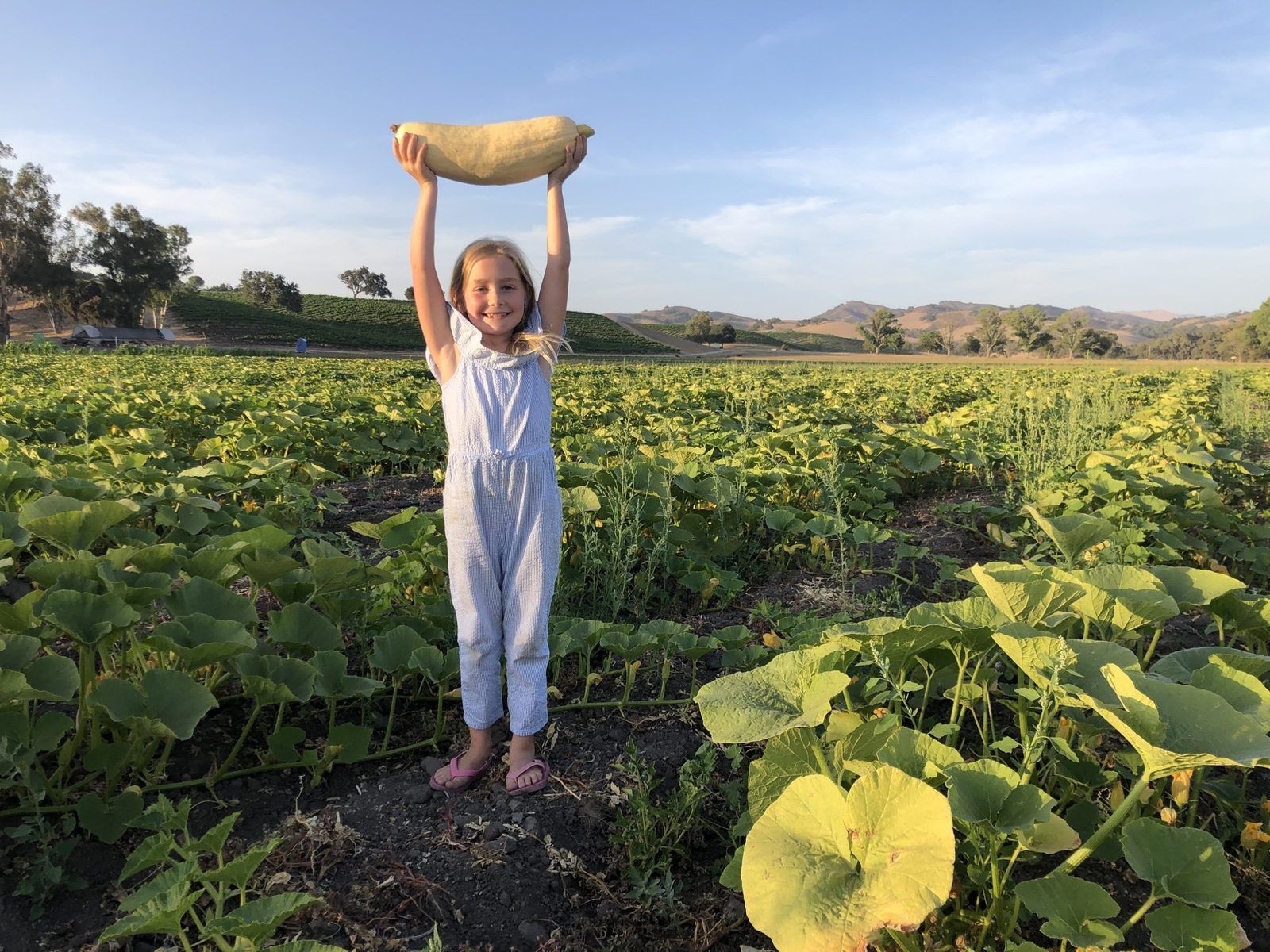
A young girl holding up a freshly picked squash in the farm field

Noah and Codi’s three children have grown up in Los Alamos with the rhythms of the farm around them.

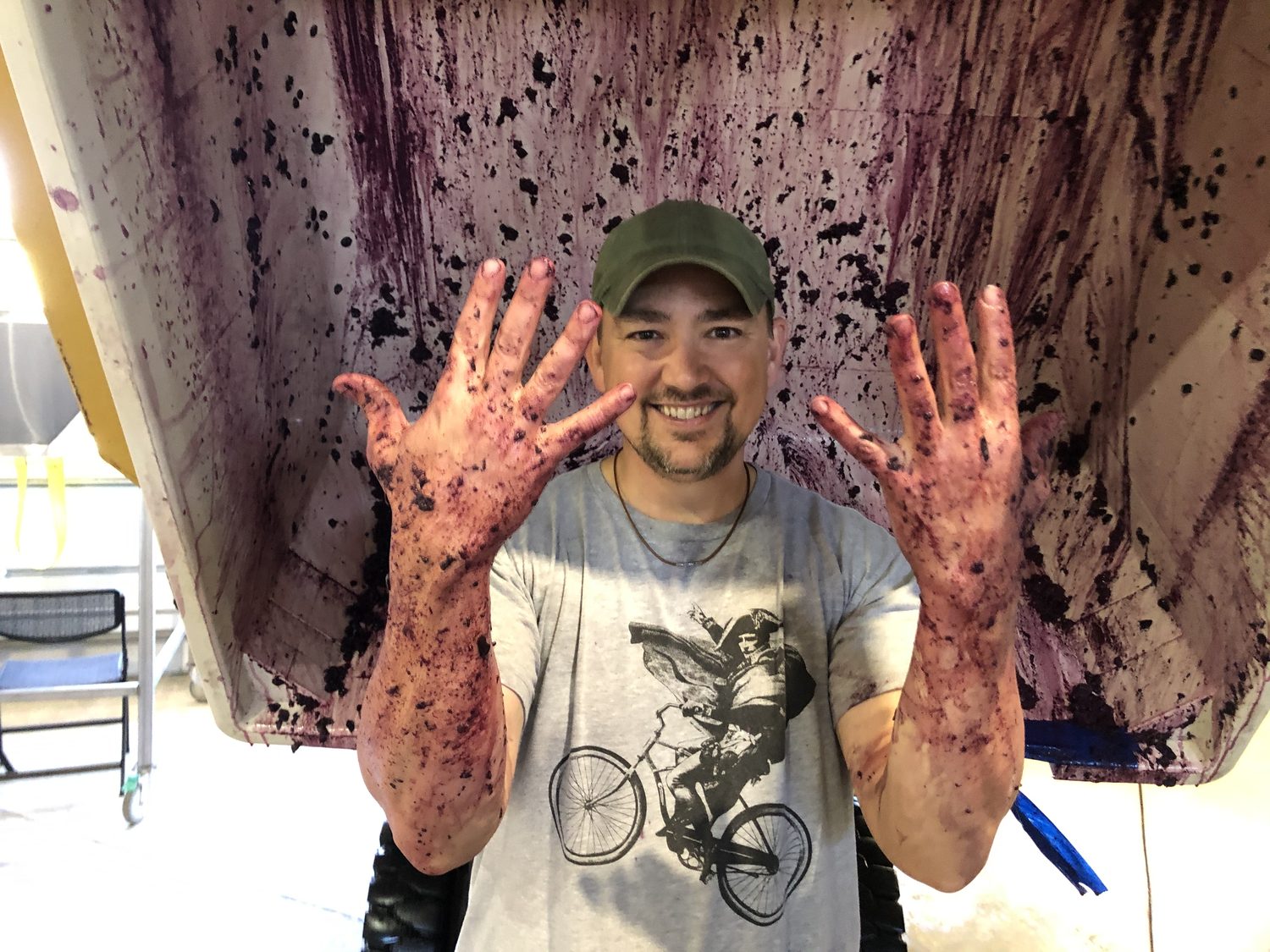
Winemaker's grape-stained hands during the vineyard harvest

Today, the family regeneratively farms 45 acres of winegrapes and 30 acres of seasonal vegetables. Noah also makes estate wine, while vegetables, fruit, and other ingredients harvested find their way to both the family kitchen and the restaurant.

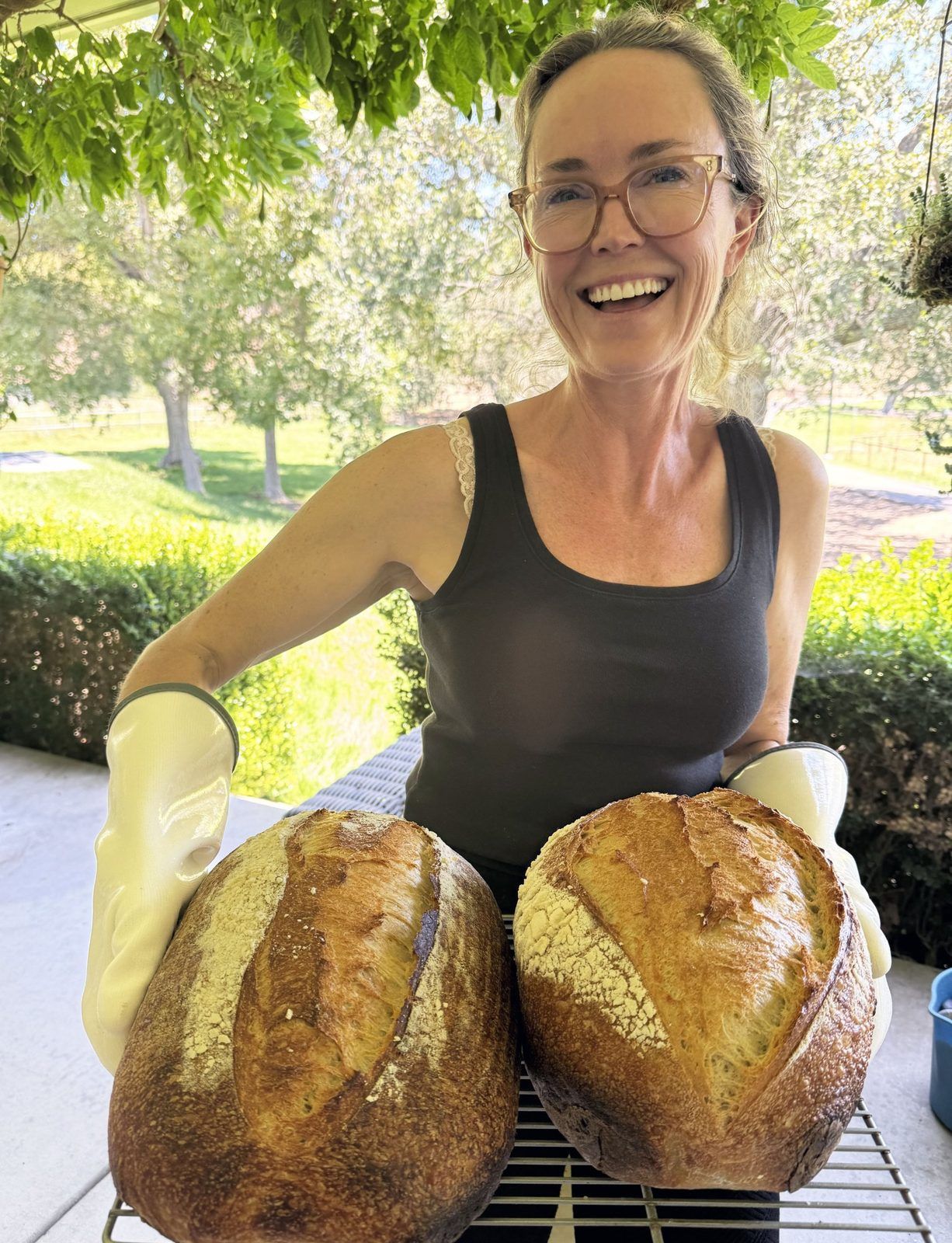
Codi holding two fresh-baked sourdough loaves

For the family’s sourdough, Codi hand-mills the flour and ferments the dough with wild yeast from the vineyard. Loaves take shape over several days before reaching the family table or restaurant counter.

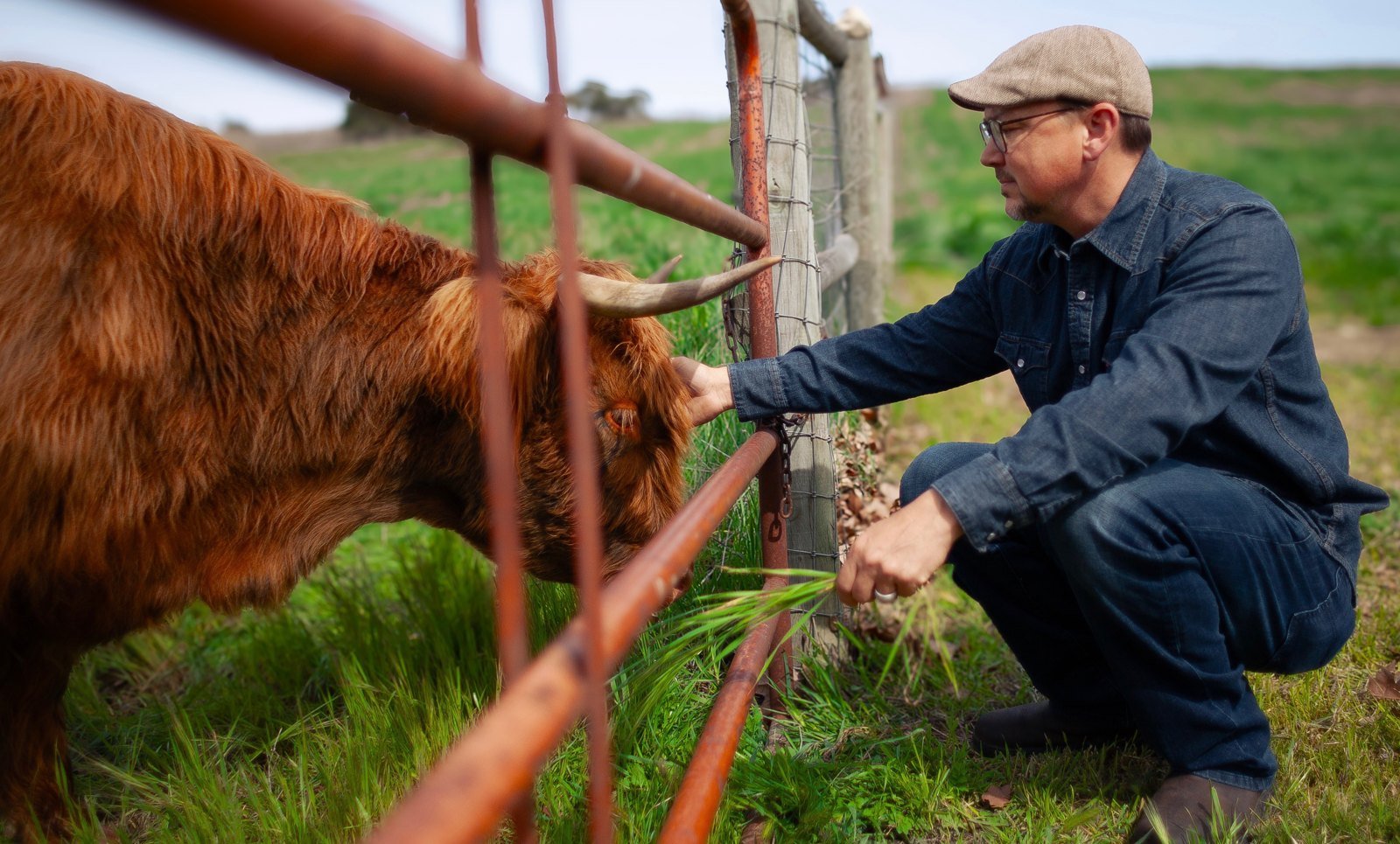
Noah feeding a Highland cow through the pasture fence

Horses, highland cattle, chickens, cats, and dogs are all part of the zero-waste approach and daily rhythm. Caring for animals is woven into the family’s life alongside the garden, vineyard, and kitchen.

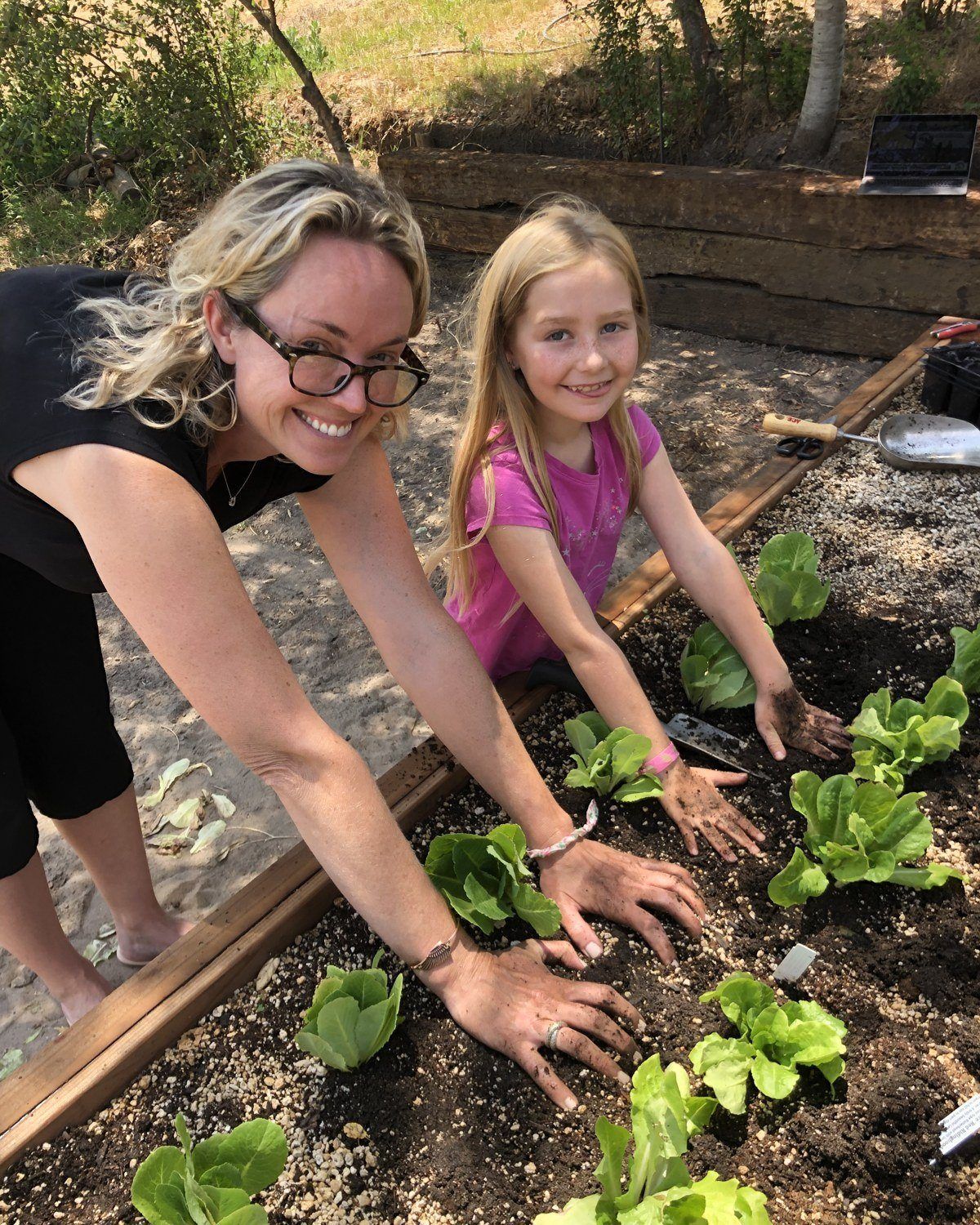
A mother and daughter planting seedlings with dirt-covered hands

Just as Noah and Codi were shown how to grow food for the family table, they are passing those same habits to their children.

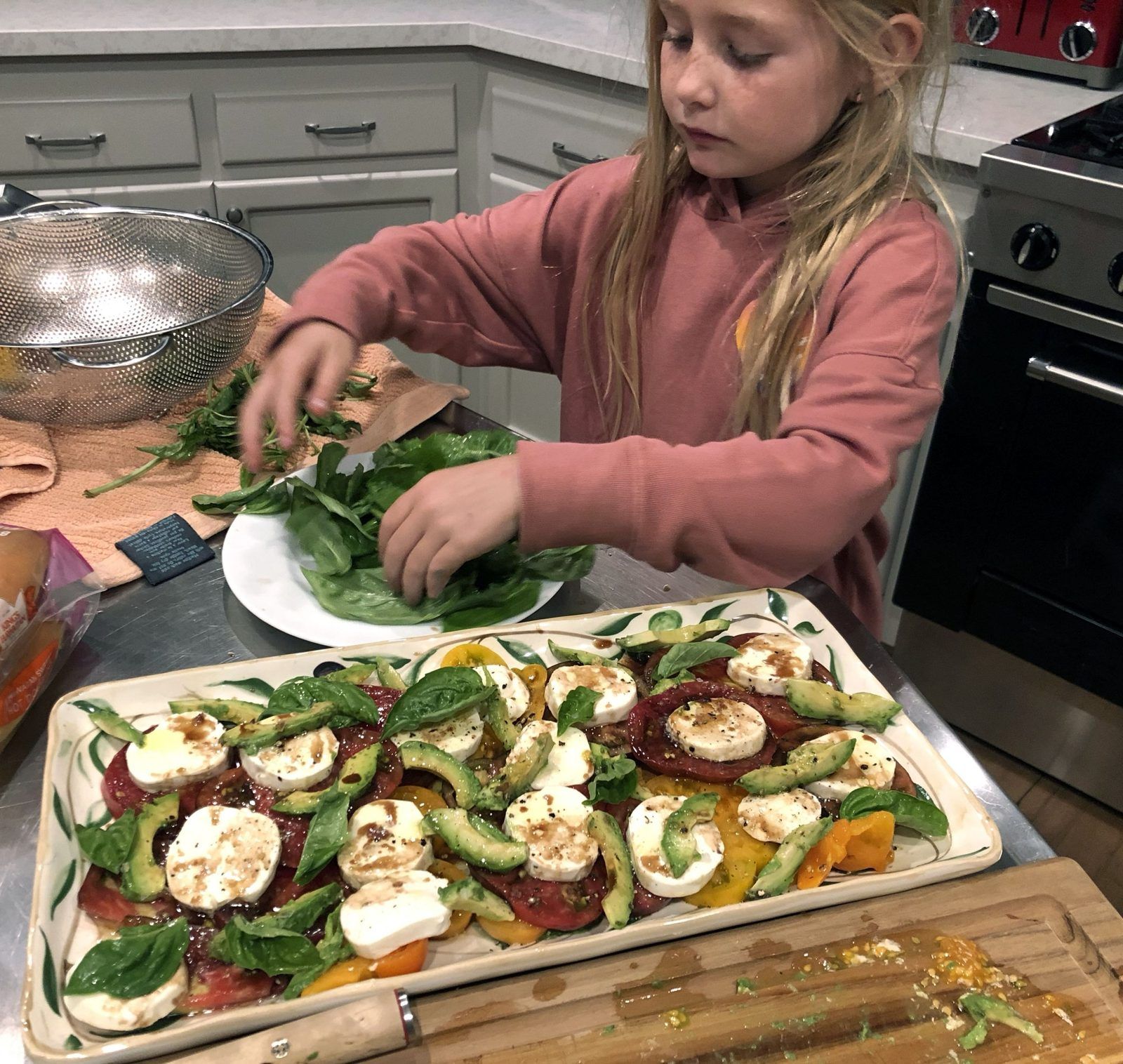
A girl arranging basil over a tomato and mozzarella platter

The whole family helps prepare what has been grown—learning skills and traditions children will eventually carry into homes of their own.

Why Plenty

In the end, Plenty found us.

We never set out to open a restaurant, but when an opportunity arose to take the reins at Plenty on Bell, our whole family recognized it as a natural extension of the way we already lived.

At home and in our restaurant, our food begins with fresh ingredients and straightforward preparation: produce from our garden and farm, breads, sauces, and stocks made in-house, and seasonal components from growers, ranchers, anglers, and local purveyors throughout the Los Alamos region.

Plenty is our neighborhood table — a place for a nourishing meal, warm conversation, and food that comes from people we know, places we trust, and the community we’re proud to share.

It takes more than one family to make Plenty what it is. The farms, ranches, boats, bakeries, creameries, and small producers around us are an essential part of what we serve.

It takes more than one family to make Plenty what it is. The growers, ranchers, anglers, bakers, creameries, and small producers around us are essential to what we serve.

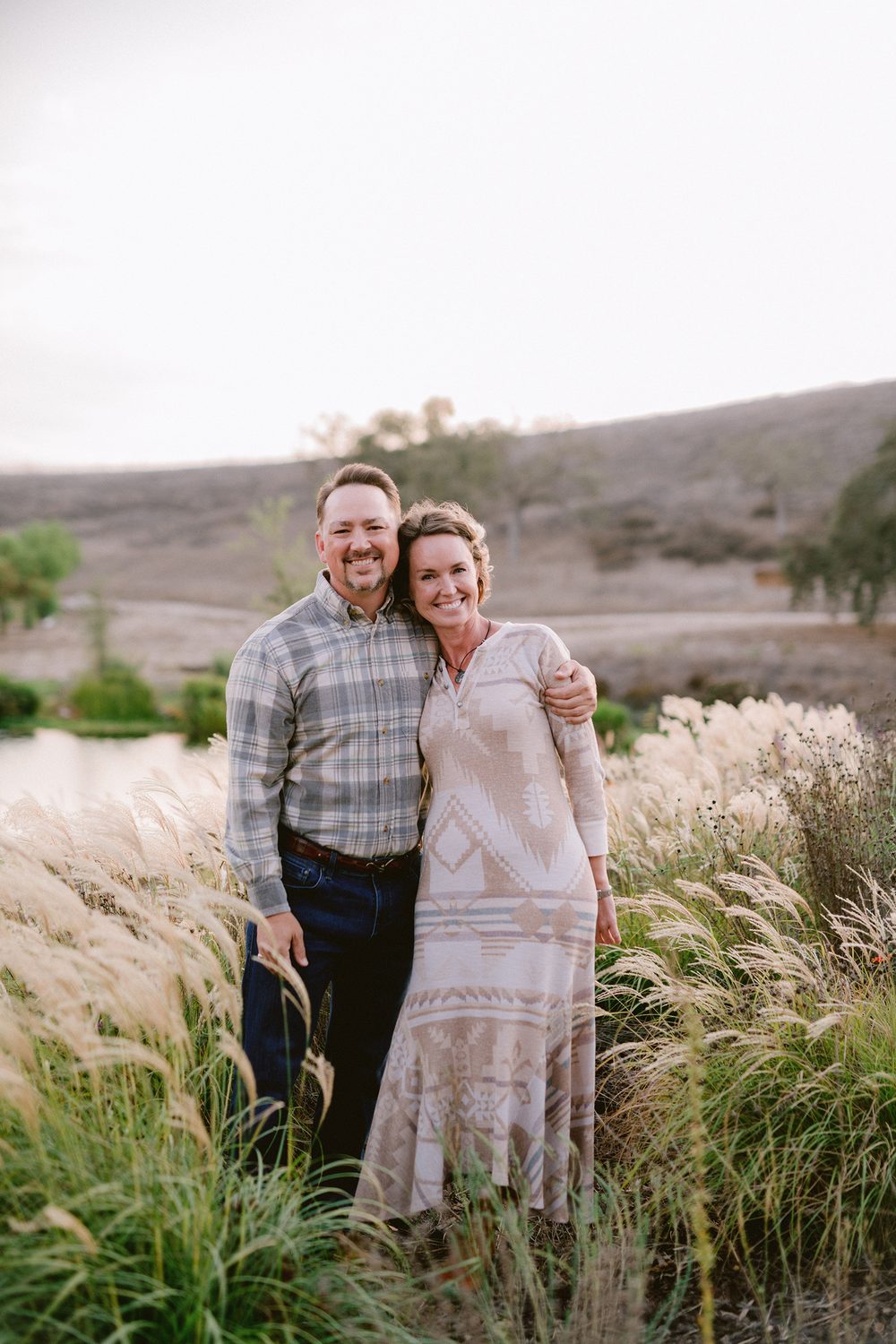
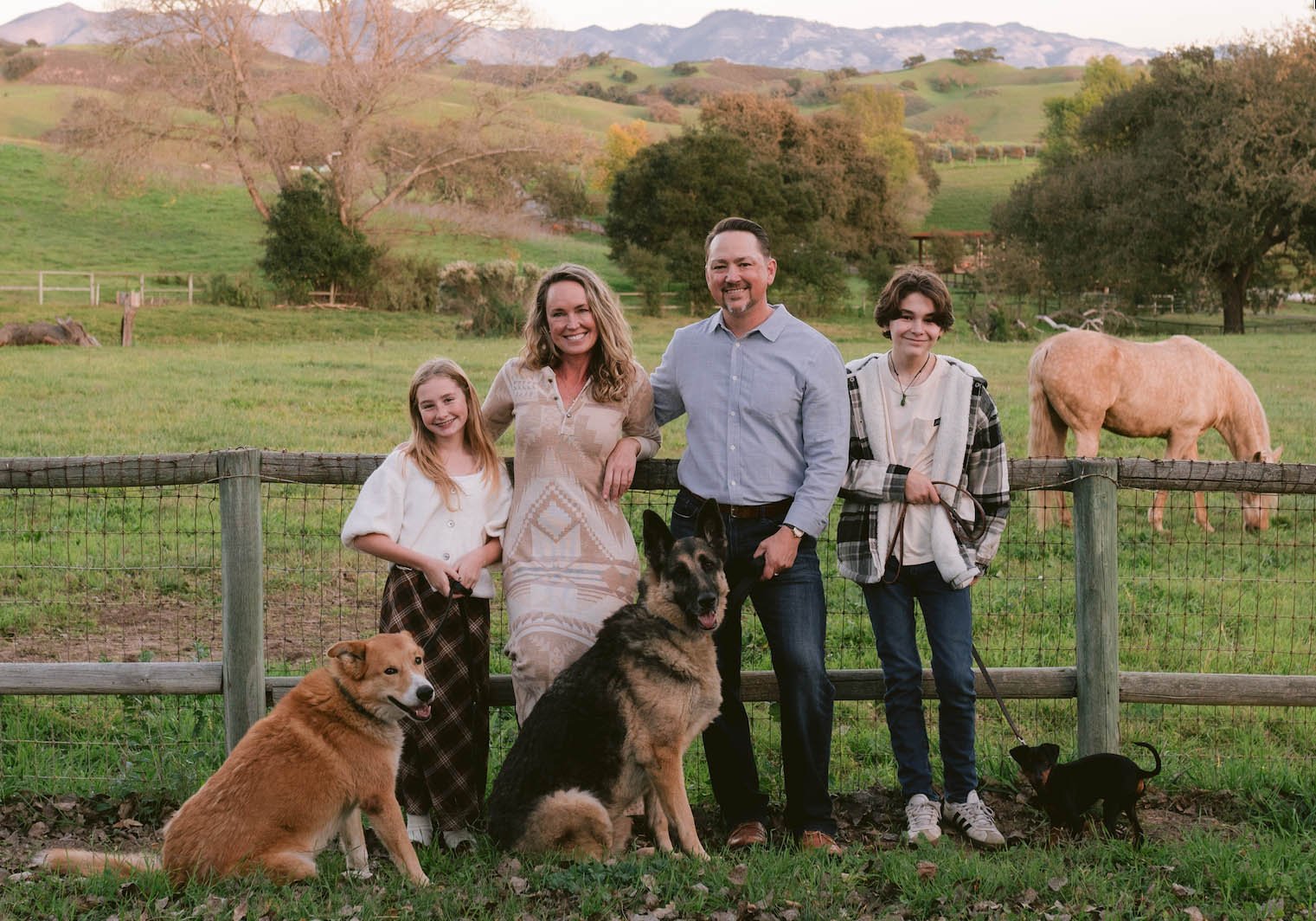
Our family at home on our Los Alamos farm.
Four generations in, our family at home in Los Alamos.